

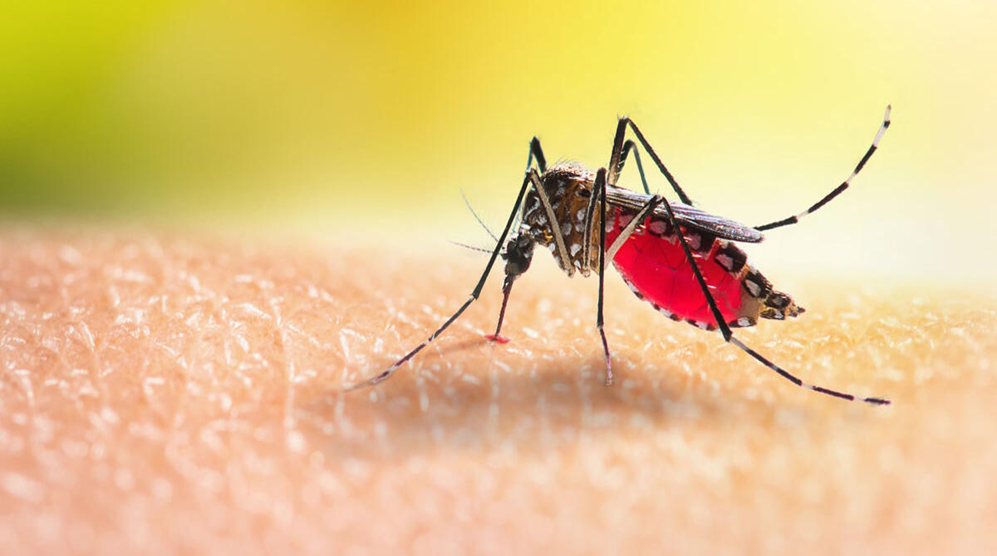
Mosquito/ courtesy photo
By Awuou Michael Chol
Health officials in South Sudan are calling for urgent and coordinated action to strengthen malaria response efforts, as the country continues to carry a high burden of the disease.
New findings from the 2025 Malaria Program Review showed that malaria remains the leading cause of illness and death nationwide, accounting for more than 38 percent of outpatient visits and nearly 64 percent of hospital deaths.
The report further indicated a sharp rise in malaria cases, from 246 per 1,000 people in 2021 to over 400 per 1,000 in 2024, raising concern among health experts.
The Ministry of Health said the situation requires immediate and coordinated intervention.
“Malaria continues to place an unbearable burden on our health system.” The report read in parts.
Without urgent investment in prevention, treatment, and community engagement, we risk reversing the gains made over the years,” The Health Ministry added.
Health experts attribute the increase to a combination of climate change, seasonal flooding, population displacement, and weak health systems. Heavy rains have expanded mosquito breeding grounds, while insecurity in some areas has limited access to prevention tools and essential healthcare services.
The report also highlights persistent challenges, including shortages of diagnostic kits and antimalarial medicines, as well as limited operational capacity in health facilities. These gaps, officials say, are contributing to delayed treatment and continued disease transmission.
Although the malaria vaccine was introduced in 2024 and expanded in 2025, authorities say more work is needed to improve community acceptance and ensure full vaccination coverage.
“We are encouraging communities to embrace vaccination and complete all required doses. This is a critical step in protecting children from severe malaria,” another health official noted.
The ministry warned that without urgent and sustained action, malaria will remain a major threat to public health and national development in South Sudan.
The Ministry of Health, together with its partners, is now urging increased investment in health infrastructure, stronger supply chains, and intensified awareness campaigns to reduce malaria transmission across the country.
Leave a Reply